
Are Solar Energy available at all times?
Is Solar Energy available at all times?
The most important energy source for humans is without doubt solar energy.
Solar has been the buzzword for the year as people search for cleaner and better efficient energy alternatives to fossil fuels. With a 25% growth in the capacity of solar energy by 2021, solar energy is the fastest growing source of electricity in America.
Solar energy is becoming more popular and now is the perfect time to find out more. You’re in the right place to learn more regarding solar energy.
This guide will explain everything you need about this fascinating energy source. It covers solar energy basics, where to look up and research the solar power source, as well as which firms are the best for purchasing solar panels.
Is solar energy a renewable source of power?
The sun’s rays emit the energy of light and heat, referred to as solar energy.
The sun’s energy is able to allow life to live on Earth. The sun’s warmth and light create a favorable climate for life. It is vital for all living creatures to live such as animals, plants as well as humans.
Although we have relied on sunlight for energy since the beginning of time, modern solar technologies have allowed us to harness this energy to generate solar heat and electricity. It’s rapidly becoming an affordable and practical renewable source of energy, which means it could be a major factor in our current effort to reduce our dependence on the climate-altering fossil fuels.
To fully understand this source of energy There are some technical terms you must be aware of.
Anything related to the sun. It is the sun’s primary star in our solar energy systems, and provides all the light and warmth we need on Earth.
Solar energy: This broad term describes the energy generated by sunlight and emitted in sunlight’s electromagnetic spectrum. sunlight.
Solar power: The sun’s energy, which humans have converted into electricity or heat. Sometimes the words “solar energy” as well as “solar power” are interchangeable.
Solar electricity: This is electricity produced by sunlight. It can be created using either the solar thermal technique or photovoltaic.
Solar thermal: Heat energy by the sun. You can utilize solar thermal energy to store solar energy, heating, and the generation of electricity.
Photovoltaics involves making electricity by utilizing sunlight on solar panels. The panels are constructed from solar cells which contain semiconductors.
Why is solar energy so beneficial for renewable energy?
Since the sun is unable to utilize all the solar energy, it is regarded as an energy source that is renewable. The sun’s continuous solar radiation will replenish the amount of sunlight, no matter how much we harvest.
We’re not likely to be able to get enough sunlight anytime soon neither. NASA forecasts that sun’s rays will be shining until at the very least five billion years.
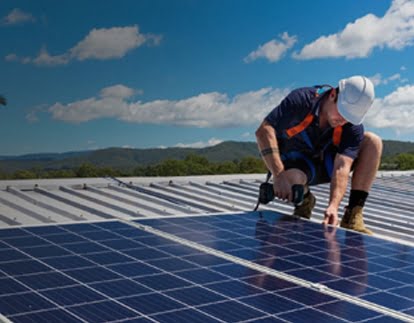
These are just a few of the major benefits of using solar energy to meet our energy requirements.
Solar energy is clean: Solar is very environmentally-friendly. Solar energy is totally free of waste and emissions.
It’s abundant: There is an enormous quantity of sunlight that is hitting the Earth at any time It is greater than any other energy source.
It’s cost-effective: Due to technological advances, solar power has been declared the most cost-effective type of electricity through the International Energy Agency.
It’s also extremely flexible. Since solar energy is derived from sunlight and the sun’s rays, it can be produced practically everywhere. Therefore, it is feasible to use it in a myriad of devices, including smartphones, handheld devices, rooftop energy systems, utility-scale plants interplanetary spacecraft, and even interplanetary power stations!
This unique combination provides solar energy as an option for renewable energy for those looking to get rid of fossil fuels.
What are the different methods for generating solar energy?
Three main methods are used to harness solar energy and use it for utility:
-
Solar panels that harness solar energy technology.
-
Concentrated solar power (CSP) is also referred to by the name solar thermal is a type of solar energy.
-
Another type of solar thermal energy is solar water heating.
1. Solar panels (solar photovoltaics)
Photovoltaic cell (PV) also known as solar panels are the most common way to harness solar energy for electricity generation. The United States has more than 3 million solar panels. The number of solar panel installations across the U.S. is increasing rapidly.
Semiconducting solar panels are made up of semiconducting cell that convert sunlight photons into direct current (DC). The DC power is typically fed into an solar converter, and it is converted into alternating current (AC), which is the form of electricity that is used in homes as well as on the grid.
Solar panels can be erected in as many locations as you require to meet your power needs.
2. Concentrated solar power (solar Thermal)
Concentrated solar power (CSP) is a method that makes use of special reflectors to generate electricity on a large size, is known as concentrated solar power.
CSP plants make use of hundreds of thousands mirrors called horoscopes to reflect sunlight on solar thermal collectors. The sun’s energy will be kept in the form of molten salt, or utilized to generate electricity using a steam turbine.
CSP is a power plant, as opposed to PV plants which create power by capturing sunlight’s heat. CSP plants are also known as solar thermal plants. Due to their towering heights they are frequently referred to as “power towers” as well as “salt-tank plants”.
It’s not feasible to use CSP technology at the residential or commercial level. It’s an exciting technology for the utility scale as it could be utilized to store energy.
3. Heating water with solar energy (also known as solar thermal)
Another method to harness sunlight’s thermal power is to use the use of solar-powered water heaters. Rooftop solar thermal systems, not to be confused with PV solar panels, can be used to heat water inside an enclosed container.
Even in the coldest weather outside, solar water heaters provide hot water for most homes.
There are three kinds of common solar projects
Solar energy can be classified into three categories for classification purposes three types: residential, commercial and utility-scale.
Solar for residential use: It is the solar power that is produced in the home, usually using rooftop panels. The panels used for residential solar are typically between 4 and 16 kW .
Commercial solar. Also called Commercial & Industrial (C&I), Solar, it refers to the utilization of solar energy by companies, government agencies and non-profit organizations. Most commercial solar systems are between 10 and 100 kW in capacity. However, some companies like Apple and Amazon have systems that are much bigger after having invested in huge amounts of solar capacity.
Utility-scale solar: These large solar power plants generate large amounts of electricity for an electric grid. Utility-scale power plants are defined by the U.S. Energy Information Administration (EIA). They are power plants with a total production capacity of 1 megawatt (MW) or more.
It is easily scalable and can be utilized to power projects that are of any size. It can power devices such as calculators and watches at the smallest scale. It is also used in large solar parks which use thousands in, if not billions of solar panels.
How do you use solar battery? How do they work?
Special products are made to store solar power. Solar batteries store solar energy efficiently during the time it’s produced and then quickly release it when required.
Here’s how they work for most homes:
Solar panels produce energy and any electricity that isn’t used immediately is delivered to the battery to be used for storage. The battery can then discharge stored energy to power your home appliances later, even if the panels stop producing power. When there is a chance of power outages, solar batteries can be used to provide back-up power.
What is the cost for solar energy systems?
Here’s the estimated price it will cost you to purchase a solar energy system in 2022.
Solar panels for home use are priced between $16,500 and $20,100 for a system with a with a power output of 6 watts with an average unit cost of $2.75 to $3.35 per Watt.
A typical commercial solar panel costs $82,000. It is 50 kW systems costing $1.64 for each Watt.
A utility-scale plant can cost anywhere from $850,000 to $1.01million, assuming a 1 Megawatt (MW) plant with average costs of $0.85-1.01 per watt.
These prices reflect the purchase price before incentives are applied. They are likely to be significantly decreased by the federal solar credit that will be available in 2022. This amounts to the equivalent of a discount of 26. There are additional incentives and rebates available at the state, local and utility levels.
What is the price of buying solar energy that is usable?
The cost of purchasing usable solar energy will be contingent on how much you’re spending and from where you’re buying it.
The cheapest method to utilize solar energy is to buy solar panels that you could build by yourself. Calculating your Levelized Cost of Energy is a great method to find out whether this is the case.
It is possible to purchase solar energy through a green power program, or, if it is possible, a community solar program if you are unable to set up solar panels. The former will be somewhat more expensive than regular utility electricity, however, the latter will cost smaller.
Below are three possible options:
Low cost energy (LCOE for solar panels that are installed at your home) It is the price per Kilowatt hour (kWh) that permits you to evaluate the cost of solar power generation against the cost of electricity you purchase from your utility.
The LCOE is determined by dividing your system’s installation cost by the anticipated energy output over the system’s lifespan, which is usually 25 years. The LCOE for a residential solar system usually falls between $0.08 to $0.11 per kWh when you add incentives.
Sometimes, it can even be lower. It is significantly less than the cost customers pay for their utility energy.
Your utility will sell you green power: A green power plan guarantees that a certain percentage of your energy supply, typically 50% or more is generated by renewable sources such as solar.
This will usually result in an increase of 10% in your electricity bill from your utility. If you pay $0.20/kWh to power your home, buying green power from your utility might cost you $0.22/kWh.
A green power plan could result in a monthly increase of $150 in your electric bill to $165. Green power prices can vary from one utility to another So, make sure to inquire with your provider about the details.
Participate in a community program to get solar energy. These programs provide you with the chance to be part in massive solar projects and get only a tiny portion of the benefits.
It is typical to pay a monthly fee for a subscription and the owner of a solar farm that is owned by the community will assign you a percentage from the energy generated. In a method known as”virtual net Metering”, your electric company will repay you by lowering the average annual electric bills.
A $50 monthly subscription fee to a solar company that is a community company could mean that your monthly utility bill dropping by 60 percent. This is equivalent to a $10 monthly savings.
Are you thinking about installing solar panels in your property?
A solar estimate is the most effective way to begin when you’re thinking about going solar. It will provide all the data you need to decide if solar is a good idea. It includes information about the dimensions of your solar system, the cost, as well as the financial savings that you could be expecting.