
Solar Panels Insurance Coverage
Solar Panels and Insurance Coverage
Solar panels are an eco-friendly option. But, panels that are solar (also known as photovoltaic systems or PV systems) can assist you in saving money as well as boost the value of your home. Before you install your roofing with solar panels make sure that your homeowners insurance covers them.
We’ll be covering the insurance requirements for your solar panels as well as the most efficient options to utilize the renewable energy generated by your home.
Solar panels
Solar panels have proven to be expensive to use as sources of energy renewable for common households for quite a while. A home system that costs $50,000 would have been not possible ten years ago. It’s a high price tag, particularly in the case of an investment that is likely to take a long time to repay.
Like everything else technology is evolving and making it more affordable. The cost of a home can vary depending on many factors. On average, homeowners could pay between $15,000 and $25,000. While that’s still a high price, more people are investing in. In fact 40% of all new US electricity generation capacity was produced by solar energy in the first quarter of 2020.
Photovoltaic systems, or simply “solar panels”, are a great way to reduce reliance on nonrenewable energy sources for both the environment-conscious and the financially savvy.
Although they can save you money in the long run however, solar panels can be costly upfront and are vulnerable to being damaged by weather conditions or other environmental elements. It is crucial that homeowners with solar panels are in a position to safeguard their investment.
How much do solar panels cost?
The price for solar panels will vary according to the type of solar panel you select and the location in which you reside. It is important to research before making a purchase. [xfield_company estimates that solar panels can cost an average of $13,000 after the application of solar tax credits.
It’s important that you consider incentives when comparing solar panel prices. They can drastically reduce your spending. The federal government has recently expanded the credit for investment (ITC) for renewable energy tax credits. You are able to deduct 26% of the expense of installing solar systems from federal taxes in 2020, and 22 percent in 2021. There is no limit to the credit’s value. For more information on tax, see our post on home insurance and tax deductions.
State and local governments offer financial incentives , such as cashback, exemptions from property taxes, waivers of fees, rebates and fee waivers. To determine which incentives you might have the right to claim, visit your Database of State Incentives in the field of Energy and Renewables. You can also get a loan if the cost is too high or you don’t want an entire system.
What are the advantages from solar panel systems?
Solar panels provide many benefits. Solar panels will not only help you save money in the long-term and reduce the carbon footprint of your home and enable you to receive solar credits from government agencies.
Another benefit to purchasing solar panels can be the lessening of dependence on other energy sources. You can reduce your utility bills due to fluctuating oil, natural gas and coal prices by utilizing solar power. You could even sell additional energy to your utility provider in certain areas, which will allow you to earn more than what you’re saving.
The primary benefit of solar panels is the ability to increase your home’s potential resales value. As per the U.S. Department of Energy Solar energy systems will increase the value of your home by \$20 per \$1 of utility savings. The cost of installation is usually offset by the increase in the value of your home. Solar homes tend to sell more quickly, which could make it easier to save time and money when making the next move.
It depends on the location you reside in. How long and how much the solar panel takes to pay off in addition to the amount you save. Electricity can be as low as 8 cents per Kilowatt-hour (kWh) in some states. In other states, it could be more expensive that 20 cents. For homeowners living in areas where electricity prices are high solar panels may prove more effective. This chart will aid you in determining the median cost per kWh.
Think about all the improvements you have done to your house, including solar panels, when determining the amount of insurance you require. The amount of coverage you require should increase as the value of your house. Contact the agent at LA Solar Group for more information about how to protect your home’s improvements. We’re here to assist you.
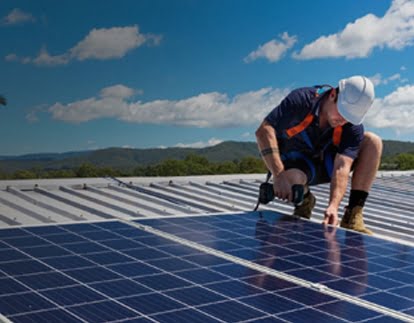
Does homeowners insurance cover solar panels?
The majority of insurance companies for homeowners consider rooftop solar panels to be permanent fixtures in your residence. This means that most homeowner policies will cover solar panels, and you won’t need separate insurance for the panels. It is essential to study the options prior to installing solar panels to ensure there aren’t gaps in your protection.
To find out if your insurance company covers solar panels and if they do, you should contact them. It is possible to inquire with your insurance provider regarding any restrictions or perils not covered. This will allow you to know the current policy and decide the best course of action.
There are other things to consider prior to making the decision to install solar panel. Before making a major investment in solar panel systems, you need to consider more other than insurance policies.
Homeowners Association (HOA) rules. Some laws of Texas restrict the limitations homeowners associations may impose upon solar installation. Your HOA cannot forbid you to install them. They can create guidelines for the installation. To ensure that you’re aware about the rules you can ask your HOA/POA prior to beginning moving forward in this endeavor.
Local regulations and rules. While some solar panels are installed to power their homes only, others may tie the system to the electricity grid. This permits homeowners to feed excess electricity back into a grid and earn an amount of credit. There are regulations that must be followed when making any improvements or modifications to a power grid. Certain cities, like requires that electricians be licensed to set up the equipment.
Do I need separate insurance for solar panels?
You might need to increase your insurance policy or in certain circumstances you may need a separate policy specifically that covers your solar system. You may need additional coverage if your solar panel system is located in your yard and not on your roof. Solar panel carports are another example of a freestanding structure that may require a separate rider policy. To determine the best method of proceeding you should have recommended to talk with your insurance agent.
What is the price of the solar panel's insurance?
Rooftop-mounted PV systems are generally considered permanent installations, which means insurance for them can be added to your home insurance. The total amount of coverage you have is not subject to alter. You must ensure that your coverage limit will cover your home and the cost of a replacement solar system in case of major destruction. Solar panel installation can be expensive so you may need to cover the cost of replacing it.
Based on the Solar Energy Industries Association, the price of a residential solar panel system is now $18,000. Some systems can go upwards of $30,000. Even with these dramatic cost savings, a solar panel system is still a substantial investment that can affect your insurance rates. It is possible to raise the coverage limits of your affordable cost.
What do I need to insure for a leased solar system?
Another option is available for those who are looking to install solar panels but aren’t able to afford the finances. Lease options are offered by several companies that permit customers to purchase a solar power system for a low or zero upfront cost. The system doesn’t belong to you. This means in most situations, you aren’t required to take care of upkeep or cover the solar power system. The leasing company that manages the system is accountable for this responsibility. Although leasing will aid in saving money on energy, it’s not as efficient as owning a solar energy system.
Which states are the most suitable for solar panel installations?
It’s no surprise that the states with the highest levels of sunlight are most efficient for solar energy. California, California and California are the three possible locations for solar power. Solar panels are becoming more common in all 50 CA. Some of the top producers of solar power are not anticipated states such as California and California.
Important to remember that each states has their own regulations in place for incentives and regulations regarding solar energy. The benefits you receive be different according to where you live.
The solar panel insurance considerations
Solar panels are designed to be used in locations which are exposed to weather conditions. This increases the likelihood that solar panels are damaged, especially those that are placed in areas susceptible to severe weather. Solar energy systems need to be protected as with any expensive investment. You may want to consider the possibility of a home insurance policy with lower costs if you are concerned about the potential for solar panel insurance’s cost.
LA Solar Group can help you find the best homeowners policy. It compares rates of several top firms and helps to narrow your search.
Contact LA Solar Group for more information about how you can get Solar Panels insurance coverage
Going solar is one the most beneficial option you can make to protect the environmental environment. If your homeowner’s insurance doesn’t provide solar panels, then you might want to look into adding protection.
LA Solar Group can help you in the purchase and installation of solar energy systems. Our solar panel experts are certified and insured to ensure your panels are installed correctly on your property.