
The efficiency of solar Panels compared to Fossil Fuels
Efficiency of Solar Panels when compared with fossil Fuels
People are currently using fossil fuels to reduce their expenses and to be more convenient. Experts aren’t sure that fossil fuels as renewable because their global supply is limited. Solar energy however is renewable energy that produces natural power.
It will provide light for the entire world which means it will not be slowing down anytime soon. The amount of sunlight that we get varies depending on the location we reside in as well as the time of day and how the weather is and what time of the year it is. If you are living in the Northern Hemisphere, then a south-facing roof is the ideal choice. Even if you’re not somewhere in the Northern Hemisphere, solar can be an option, especially if the roof doesn’t receive plenty of shade during the day.
Like any other source of power, there are pros and cons for solar energy. Solar energy comes with two major disadvantages: its high initial cost and lower energy density. A lower energy density isn’t a problem. But, it could mean you will need more solar panels will be needed to produce the same quantity of power. Because only certain frequencies of light can be transformed into electrical energy, the panel’s physical properties determine the power output of the solar panel.
While they appear cheaper than solar power, overall, the economic, health, and environmental impacts of fossil fuels are far more costly than their value.
How do you define fossil fuels?
Fossil fuels can be described as non-renewable sources that are created from fossilized animals or plants that are buried beneath the surface of the earth. These animals and plants lived millions of years ago. The fossils formed were fuel by the layers of earth which were laid over them.
The majority of fossil fuels are mined or drilled out of the ground. Natural gas, oil, and coal are all fossil fuels. These fuels have been a major energy source for the human race ever since they were discovered.
What exactly is Solar Energy?
Solar energy, as you be aware, is energy that comes directly from sun. Solar radiation is generated by the sun, and it reaches our planet continuously. This radiation is known by the name visible light. It’s not possible to imagine the sun going out in the near future, which is why it’s considered to be a renewable source.
Solar panels are a device to convert sunlight usable energy. They convert light into direct current energy (DC) when the cells absorb it. There are other benefits too.
According to estimates according to some estimates, 173,000 megawatts (trillions of Watts) from solar energy is repeatedly impacting the Earth. This is more than 11,000 of the planet’s energy consumption. This energy is 100% renewable and lasts only until the sun’s rays do.
Cost of solar energy in comparison to. the cost of fossil fuels
Although the initial costs of going solar are more expensive, it is a great cost-saving option over the long term. The price of electricity derived from fossil fuels is anywhere between 5 and 17 Cents per kilowatt hour. As per the National Renewable Energy Laboratory, solar energy costs are dropping and range from 3 to 6 cents per Kilowatt-hour.
After state incentives after state incentives, the cost for installing and constructing a solar energy system across America was $15,000 by 2020. LA Solar Group reports that the cost of solar panels has dropped in excess of 20% over the last five years.
Solar energy systems is able to be maintained after it’s been installed and it costs minimal. You might be able even to make money selling the excess energy generated by your solar panels to your local grid.
However, full solar panel systems require substantial upfront investments. Solar panels can cut down on your monthly utility bill. However, not everyone is able to afford the upfront cost. Many solar energy companies provide leasing and financing options to help pay for the initial costs of solar energy installation.
It takes a lot study to identify an energy-efficient system that is also energy efficient and cost effective. To achieve the most efficient performance, you must first figure out the dimensions the system. This isn’t an easy job, but it must be accomplished.
Find out what options your utility provider offers for purchasing back solar energy.
If you don’t want to sell excess electricity back utilities think about a battery storage system. Solar energy can’t be purchased back by the utility company for the same amount as electric energy. So, storing the solar power in battery might prove more efficient. If your batteries are depleted however, you are able to use electricity from the utility.
Look for grants available from the federal, state and utility companies. This could help reduce installation costs.
A solar energy system is able to produce a variety of energy outputs. The output can be affected by any obstruction that blocks sunlight from getting to the panels. Panel performance can be affected by dust, dirt insufficient sunlight, or angle. Solar panel supplies can be self-cleaning, or track the sun’s direction to ensure the panels are in line with its radiations. This boosts the efficiency of energy.
You can get nearly free electricity after you have designed and put in place an solar energy system.
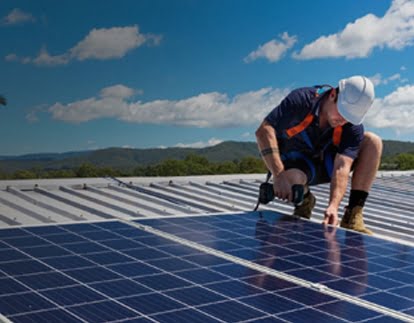
Which one is more beneficial for the planet?
Fossil Fuels and Greenhouse Gasses
Carbon dioxide (or CO2) is produced by fossil fuels being burned to create energy. Carbon dioxide is a greenhouse gas. The atmosphere holds greenhouse gases in the air when they are released.
While greenhouse gases permit sunlight to enter the atmosphere however they also hinder the sunlight to leave our planet. It heats up the Earth when it is unable to get out of our air, leading to the climate changing.
The United States Environmental Protection Agency states Carbon dioxide (CO2) is the primary greenhouse gas produced through human activities. About 80 percent of U.S. greenhouse gas emissions were due to human activity in 2019.
There are some quantities of carbon dioxide that are naturally that are released to the air, but NASA states that humans have increased the atmospheric CO2 level by 48% in the past 40 years. This is the longest-lasting “force” that has caused climate change.
What Can Solar Energy Do?
Solar energy does not need to use fossil fuels to generate energy. This means it is less likely release greenhouse gases into the air.
The phrase “reducing the emission of CO2” is something you may have heard on the news, or plain spoken. The reduction in CO2 emissions is the primary benefit of solar power.
The National Renewable Energy Laboratory (NREL), in a study, found that a 35% penetration rate of wind and solar energy could reduce the cost of fuel by 40%, and reduce carbon emissions by 25to 45 percent. This is about the same as removing 22 to 36 million cars from the roads today.
Solar energy, like we’ve mentioned before, is a renewable resource. The sun can provide infinite energy. Solar engineers and solar experts are figuring out new ways to harness the power of the sun as technology advances.
Solar Reduces Fossil Fuel Dependence
It is simple to dismiss any fossil-fuel existence based on all the data available. It is important to remember that fossil fuels provide the best cost-efficiency in the short term for many people. The fossil fuel sector also provides jobs for various countries and people around the world.
Our environment isn’t affected through the usage for fossil fuels. It is the dependence we place on them that is.
We can lessen our dependence to fossil-fuels, by diversifying the way we generate the energy that powers our homes, cars, and daily life. This will reduce the carbon footprint of our lives.
Particularly, solar power can aid in reducing dependence of households of the grid. Solar energy is less dependent on grid power when houses are able to tap into it. This could be a challenge for utilities firms initially. But, it could actually help reduce pressure on the grid during peak times.
The use of solar batteries is getting more popular and homeowners are able to store clean energy for later. You can even manage energy independence by powering your home in the event of power failures or after the sun sets, depending on how big the battery you have.
How can solar energy be used?
In only one hour, the Earth absorbs sufficient solar power to run the entire globe for the duration of a year. Passive solar heating is the process whereby the sun heats your house through the windows. You’ll need solar energy to heat your home.
Photovoltaic (PV)cells convert sunlight into electricity. Solar panels are made from these photovoltaic cells. Solar panels absorb sunlight’s energy and store the energy into solar cells. To provide power after sunset, or to offset electricity usage batteries are usually connected to an electrical control system.
The solar panels convert about 20% from the sun’s energy it receives. Inverters convert direct-current energy into alternating energy.
It can be quite difficult to connect electrically to either battery storage or utility systems. Ask the installers of solar systems lots of questions. It is also advisable for them to hire experts in electrical engineering to make sure that all information is correct and to prevent any further problems.
However, there are disadvantages to solar power. The solar energy production and the transportation of solar panels can contribute to the emission of greenhouse gases. Compare solar energy to fossil fuels solar energy has low environmental impact. How can solar energy be harnessed?
Where do fossil fuels originate?
Petroleum (also known as crude oil), natural gas, as well as coal, are among the most important fossil fuels. While the process of making these fuels is natural but it takes time. Fossil fuels don’t originate out of fossils, but rather the energy that was absorbed by millions of years ago was stored in organisms, which were eventually covered by earth. The process takes many thousands of years buried organisms anaerobic to decay into what we call fossil fuels.
Exploiting or drilling underground for fossil fuels is a viable option, however both have high operating costs. The bonds between atoms which hold the energy are broken by burning fossil fuels, which allows the energy be released to other uses.
Fossil fuel benefits and disadvantages
Our highly developed technology to convert fossil fuels into energy is our biggest benefit. These fossil fossils, which are not renewable, have been in use for a long time and are widely used around the globe. It took centuries to perfect the way we utilize it.
There are many applications for fossil fuels, it is difficult to overlook their drawbacks. Because of their high carbon emissions fossil fuels are a major cause of global warming. The production and transportation of fossil fuels can result in dangerous accidents.
The current global consumption of fossil fuels implies that we’ll have no choice but to utilize them. Nonrenewable fossil fuels can be extracted at a much faster rate than replenishment. Certain fossil fuels such as coal are expected to become more expensive than solar in the coming 10 years.
Pros
- Cheap
- Reliable
- Technology that is well-developed
Cons
- The energy independence of the population is lower
- Production hazards
- Non-renewable and unsustainable.
- Significantly contribute to climate change
Solar energy compared to Fossil fuels
The biggest environmental impact can be caused by solar energy. The most reliable applications are best for coal and natural gas. The effectiveness of solar panels is typically between 15 and 20%, while coal could reach 40% efficiency, and natural gas can reach 60 percent efficiency. All fossil fuel energy and coal is used to heat and then it’s gone for ever.
You’ll have to purchase more panels to produce more energy. Just 20% of solar panel energy is converted to electricity. Installing solar concentrators and backup batteries will increase the efficiency that your panels receive. Also, be careful not to use multiple signals at the same time. Although solar energy is more expensive in the beginning, it is much more affordable in the long term. The lifespan of solar panels can be as long as 35 years, meaning you can lower your solar energy cost on in the average.